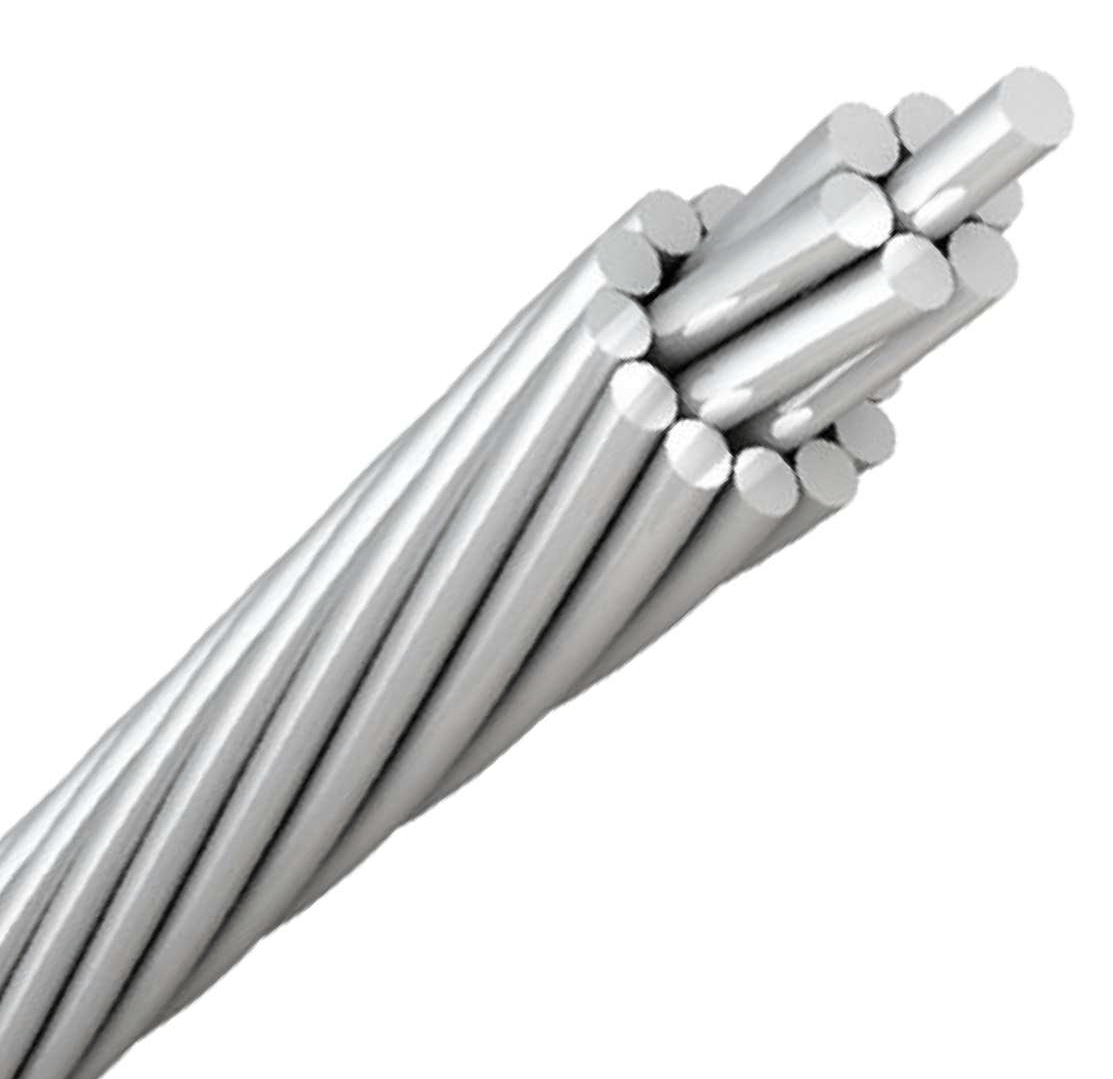


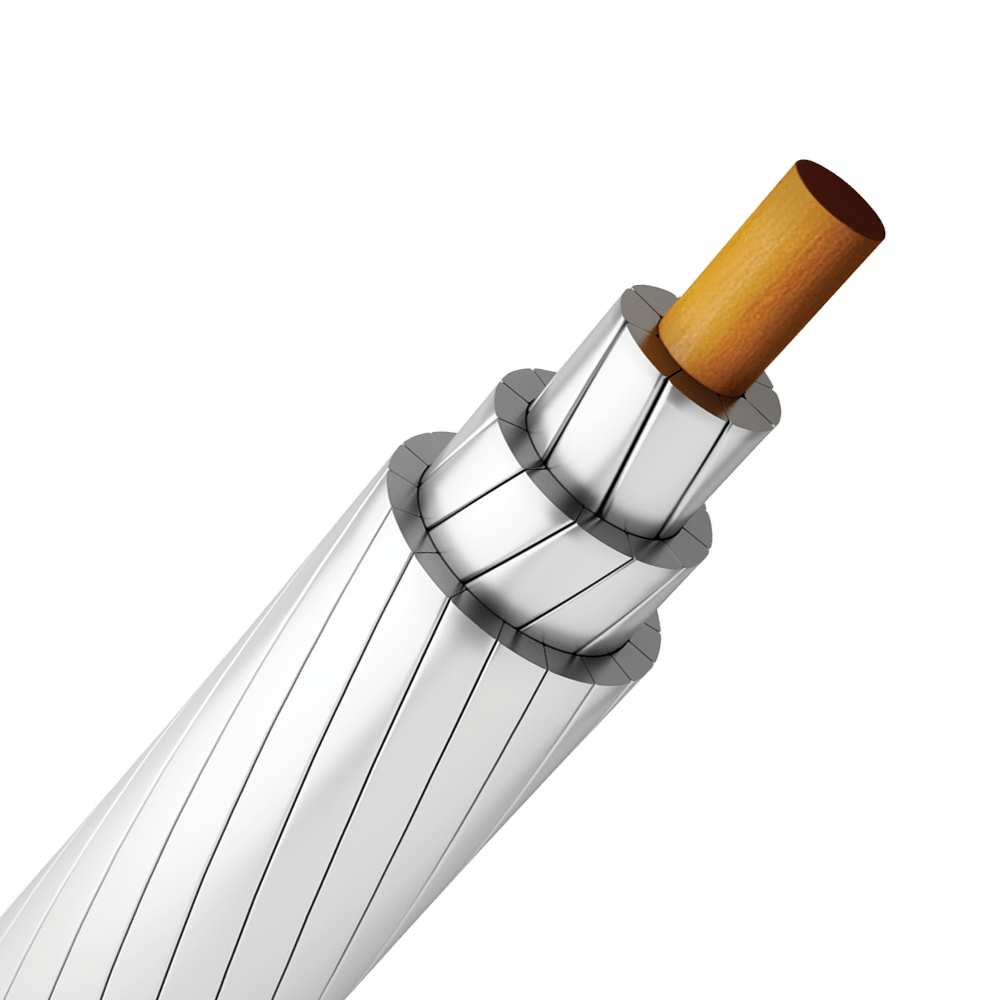
This conductor is constructed from two or more layers of annealed trapezoidal-shaped aluminum wires wound around a central composite core strand. Compared to the steel core used in ACSR (Aluminum Conductor Steel-Reinforced) conductors, the composite core boasts higher strength while weighing less than 0.25 of the steel core. The utilization of annealed aluminum reduces the electrical resistance of the conductor and enhances its thermal capacity. An ACCC (Aluminum Conductor Composite Core) conductor with the same diameter as an ACSR conductor incorporates approximately 28% more aluminum, yet maintains a lower weight for the same diameter. Alongside the increased aluminum content, this conductor exhibits a thermal tolerance exceeding 200 degrees Celsius, enabling the transmission capacity of the ACCC conductor to be up to twice that of the ACSR conductor. The low coefficient of linear expansion of this conductor results in minimal elongation under increased temperatures, and the sag of the wire in such conditions is significantly reduced. Consequently, this wire is classified as a high-temperature, low-sag conductor.
The superior tensile strength of this conductor compared to ACSR allows for longer structural spans, leading to considerable cost savings in this aspect.
The absence of steel in the core of this wire and the adoption of a composite core eliminate the galvanic effect, thereby extending the lifespan of this conductor relative to other conductors. The trapezoidal shape of the conductor wires also contributes to a more compact conductor and reduces the ingress of pollutants.
In summary, when comparing this conductor to ACSR conductors, it offers higher tensile strength, a longer lifespan, double the transmission capacity, and reduced sag.